Mining, oil, and energy operations often take place in some of the most remote and high-risk environments in the world. With valuable assets, hazardous materials, and large workforces operating across expansive sites, maintaining strong security and operational oversight is critical.
Modern mining and energy companies are increasingly adopting advanced monitoring and security systems to improve safety, protect infrastructure, and support regulatory compliance.
From pipeline monitoring and leak detection to remote surveillance and control room management, these technologies help operators maintain visibility across their sites and respond quickly to potential risks.
The Unique Security Challenges of Mining and Energy Operations
Unlike traditional commercial facilities, mining and energy sites face unique operational and security challenges.
Many operations are located in remote areas, making it difficult to maintain continuous oversight without the right infrastructure in place.
Common challenges include:
- Protecting high-value equipment and infrastructure
- Monitoring remote pipelines, tanks, and facilities
- Detecting leaks or hazardous conditions early
- Managing site access for workers and contractors
- Maintaining compliance with strict environmental and safety regulations
Without effective monitoring systems, even small issues can escalate into major safety incidents or operational disruptions.
The Role of Modern Security and Monitoring Systems
To address these challenges, many mining and energy operators are implementing integrated security and monitoring systems that provide real-time visibility across their operations.
These systems combine surveillance technology, sensor monitoring, and operational analytics to help teams detect and respond to issues quickly.
Key capabilities often include:
- Real-time monitoring of critical infrastructure
- Automated alerts for safety or environmental risks
- Access control for restricted operational areas
- Centralised control room monitoring
- Continuous monitoring of pipelines, tanks, and flares
These technologies help organisations maintain a proactive approach to safety and operational governance.
Monitoring Critical Infrastructure
Infrastructure such as pipelines, tanks, and processing equipment requires constant monitoring to ensure safe and efficient operations.
Advanced monitoring systems allow operators to detect issues early and reduce potential risks.
Examples include:
Flare Monitoring and Leak Detection
Continuous monitoring systems can detect pipeline leaks or flare irregularities, helping operators reduce safety risks and maintain environmental compliance.
Hydrocarbon Tank Level Monitoring
CCTV and sensor-based systems provide real-time data on tank levels, helping prevent overflows and ensuring accurate reporting.
Liquid Leak and Spray Detection
Precision monitoring technology can identify hazardous leaks or spray conditions before they escalate into safety incidents.
Water Level Monitoring
Surveillance systems can monitor water levels in ponds, dams, creeks, and crossings, helping operators mitigate flood risks and support environmental management initiatives.
Securing Remote Mining and Energy Sites
Remote infrastructure requires robust physical and electronic security solutions to protect both assets and personnel.
Common site security systems include:
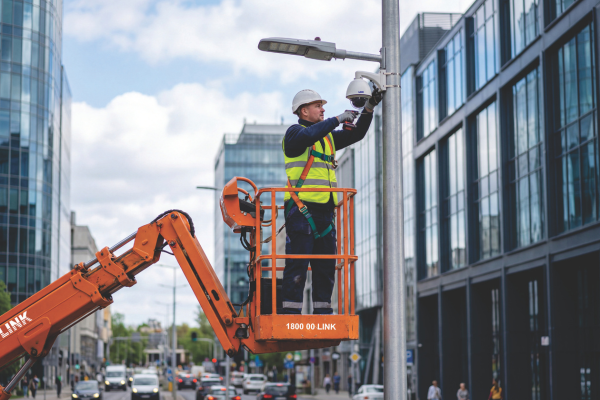
- IP CCTV surveillance networks
- Access control systems for restricted areas
- Intruder alarms and perimeter monitoring
- Electronic door locking systems
- Boom gates and security bollards
- Duress buttons and emergency communication systems
- Intercom systems for site access management
When integrated into a single platform, these systems provide comprehensive security coverage across large and complex facilities.
The Importance of Control Room Monitoring
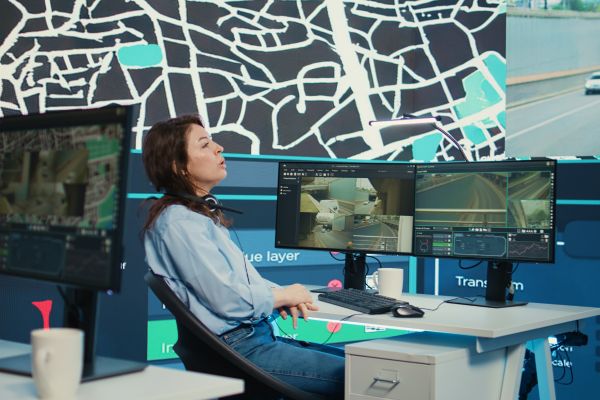
Control rooms play a critical role in managing large-scale mining and energy operations.
Modern control room environments allow teams to monitor security systems, infrastructure data, and operational alerts in real time.
A well-designed control room enables:
- Faster incident response
- Centralised operational oversight
- Improved communication between teams
- Better coordination during emergencies
Integrated control room systems ensure operators can respond quickly to issues that could impact safety, productivity, or environmental compliance.
How LINK Supports Mining, Oil, and Energy Operations
LINK Enterprise provides advanced security and monitoring solutions designed for critical infrastructure and high-risk environments.
By combining next-generation technology with deep industry expertise, LINK helps mining and energy organisations strengthen safety, improve operational visibility, and protect critical assets.
LINK’s solutions can include:
- advanced CCTV and surveillance infrastructure
- real-time monitoring systems for critical facilities
- integrated access control and site security solutions
- control room design and implementation
- ongoing electronic security upgrades and managed services
These solutions help organisations maintain safer, more secure, and more efficient operations.
Protecting the Future of Critical Infrastructure
As mining, oil, and energy operations become increasingly complex, the need for advanced security and monitoring systems continues to grow.
Organisations that invest in modern infrastructure monitoring and security solutions are better positioned to protect their people, assets, and environments while maintaining compliance with industry regulations.
To learn more about how LINK Enterprise supports mining and energy operations across Oceania, contact LINK Enterprise today.