In an era where security threats are ever-present, businesses and property owners invest heavily in CCTV systems to deter crime, monitor premises, and provide evidence when incidents occur. Yet, one of the most overlooked aspects of security infrastructure is ongoing maintenance — specifically, dealing with outdated, failed, or placeholder cameras. Leaving “dummy” cameras in place or neglecting broken ones can create serious vulnerabilities, false confidence, and significant legal exposure.
What Are Dummy Cameras and Why Are They Problematic?
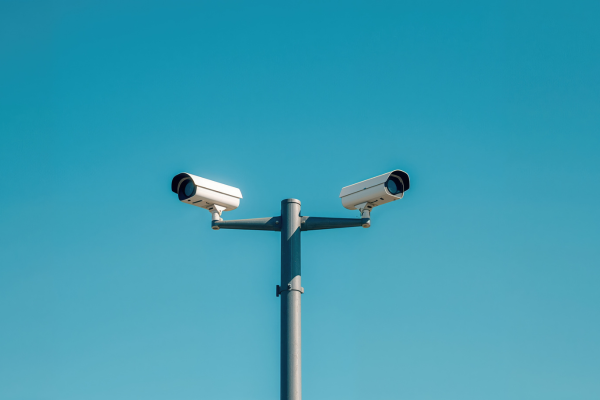
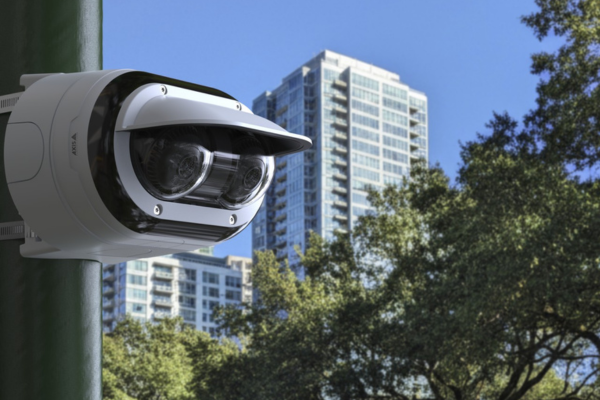
Dummy cameras (also called fake or mock cameras) are non-functional units designed to mimic real surveillance equipment. At first glance, they might seem like a cost-effective deterrent. However, they introduce more problems than they solve.
‘Dummy’ cameras create a risk that a given site has identified a security issue and has addressed it with CCTV, creating a false sense of safety and security.
When people, employees, customers, or even potential criminals see cameras, they assume the area is actively monitored and recorded. This illusion of protection can lead to complacency, people may take fewer personal precautions, and management may underestimate actual risks.
Worse still, ‘dummy’ cameras are typically easily identifiable. Experienced intruders can quickly spot the type of camera, visible wiring issues, or the absence of movement and recording indicators that real cameras display. Once identified, they render the entire perceived security system ineffective.

Legal and Liability Risks: When “No Video” Becomes a Major Problem
The most serious issue arises during incidents. There is exposure to liability for a site if there is an incident in a ‘monitored’ area, and video is subpoenaed when in fact there is none.
Courts and insurers increasingly expect that if a property advertises or implies CCTV coverage, footage should exist. If an assault, theft, or accident occurs in an area “covered” by dummy cameras:
• Victims or their lawyers can argue negligence.
• The absence of expected evidence may weaken defenses in lawsuits.
• Insurance claims could be denied or reduced due to failure to maintain reasonable security measures.
• Regulatory bodies in some industries (retail, healthcare, logistics) may impose fines for inadequate security protocols.
Using dummy cameras effectively signals to the world that you’ve addressed a risk — and then fails to deliver when it matters most. This mismatch between perception and reality is a liability nightmare.
Why Removing Old or Replaced Cameras is Essential
When upgrading to newer, higher-resolution IP cameras, many organizations simply install the new units alongside the old analog ones. Over time, this leads to a cluttered system of redundant hardware.
Reasons to remove old cameras promptly:
• Clarity and professionalism: A messy mix of old and new cameras looks unprofessional and signals poor maintenance.
• Reduced confusion: Staff and responders need to know exactly which cameras are operational. Redundant units create uncertainty during reviews of footage or system audits.
• Cost efficiency: Old cameras may still draw power or require occasional servicing, adding unnecessary expenses.
• Cybersecurity and compatibility: Legacy systems can introduce vulnerabilities, especially if they remain network-connected.
• Aesthetic and maintenance burden: Exposed, non-functional cameras become eyesores and collect dust, potentially masking real maintenance issues elsewhere.
Removing decommissioned cameras cleans up your security footprint and ensures every visible camera is a functional part of your defense strategy.
The Critical Need for Prompt Repair or Replacement of Failed Cameras
Camera failures happen — lenses crack, power supplies die, hard drives fill up, or network issues arise. Delaying fixes creates the same problems as dummy cameras, sometimes worse because a once-functional camera implies ongoing coverage.
Prompt repair or replacement is necessary for both risk management and legal reasons:
• Maintaining deterrence: Criminals often conduct reconnaissance. A visibly broken camera tells them the system is neglected and possibly easy to bypass.
• Ensuring continuous coverage: Blind spots emerge quickly. What was once a monitored high-risk area (entrances, cash rooms, parking lots) becomes unprotected.
• Evidentiary integrity: In the event of an incident, missing footage from a known camera location strengthens claims of negligence.
• Insurance compliance: Many policies require “adequate and maintained” security systems. Lapsed maintenance can void coverage.
• Operational accountability: Employees and managers rely on functional systems for safety. Failed cameras erode trust in the overall security program.
A proactive maintenance schedule — regular inspections, immediate ticketing for failures, and budgeted replacement cycles — protects both people and the organization.
Best Practices for Responsible CCTV Management
1. Audit regularly: Conduct quarterly reviews of all camera locations, functionality, and footage quality.
2. Document everything: Keep records of installations, repairs, and removals. This creates a strong paper trail for legal or insurance purposes.
3. Retire dummies entirely: Remove fake cameras and replace them with real ones or clearly communicate (where appropriate) that certain areas are not monitored.
4. Choose quality over quantity: A smaller number of well-maintained, high-quality cameras is far superior to a large, unreliable network.
5. Partner with professionals: Work with security integrators who understand both the technical and legal implications of system maintenance.
Conclusion: Real Security Requires Real Maintenance
Dummy cameras and neglected systems don’t just fail to protect — they can actively increase your risk profile. By creating false expectations of safety and exposing organizations to liability when those expectations aren’t met, they undermine the very purpose of investing in security.
If your property still has dummy cameras, old redundant units, or broken equipment, treat it as a priority. Removing outdated hardware and ensuring every visible camera is operational isn’t just good practice — it’s essential risk management in today’s litigious environment.
Your security system should deliver real protection, real evidence, and real peace of mind. Anything less isn’t security at all.
Have questions about auditing or upgrading your CCTV system? Contact us today 1800 00 5465 (1800 00 LINK) sales@LinkEnterprise.com.au